
Practical Self-Defence: Effective Techniques Everyone Should Know
In today’s world, knowing how to protect yourself is more important than ever. Practical self-defence skills can empower you to stay safe in unexpected situations. This article explores essential techniques that anyone can learn and apply. Whether you are walking home late, travelling, or simply want to boost your confidence, these methods will help you respond effectively to threats.
Practical Self-Defence: Building Confidence and Awareness
Self-defence is not just about physical strength; it’s about awareness, preparation, and quick thinking. The first step in practical self-defence is developing situational awareness. This means paying attention to your surroundings and recognising potential dangers before they escalate.
Stay alert: Avoid distractions like phones or headphones when in unfamiliar or isolated areas.
Trust your instincts: If something feels off, it probably is. Don’t hesitate to remove yourself from the situation.
Use your voice: A loud, confident shout can deter attackers and attract help.
Physical techniques are important, but mental readiness and prevention are equally vital. Practising these habits daily can reduce your risk of becoming a target.

Basic Practical Self-Defence Moves Everyone Should Master
Learning a few simple moves can make a big difference in a dangerous encounter. These techniques focus on vulnerable areas of an attacker’s body and use leverage rather than brute force.
1. Palm Strike
Aim for the attacker’s nose or chin with the heel of your palm. This can cause pain and disorientation, giving you a chance to escape.
2. Elbow Strike
Use your elbow to strike the attacker’s ribs or jaw. The elbow is a strong part of the body and effective at close range.
3. Knee Strike
Drive your knee into the attacker’s groin or stomach. This move can incapacitate them quickly.
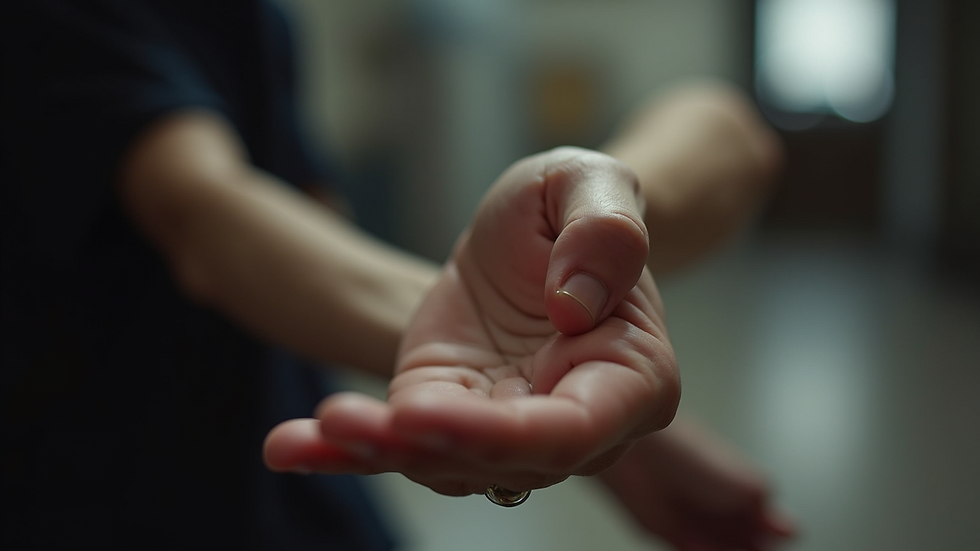
4. Wrist Release
If grabbed by the wrist, rotate your arm towards the attacker’s thumb and pull away sharply. This exploits the weakest part of their grip.
5. Foot Stomp
If someone is behind you, stomp hard on their foot with your heel. This can cause enough pain to break free.
Practising these moves regularly will help you react instinctively under pressure. Consider attending a self-defence class to get hands-on experience and improve your technique.
What are the 5 D's of self-defence?
The 5 D's are a simple framework to remember when defending yourself. They help you focus on effective responses that maximise your safety.
Deter: Use body language and verbal warnings to discourage an attacker.
Distract: Create a diversion to confuse or startle the attacker.
Distance: Keep a safe space between you and the threat.
Disable: Use physical techniques to incapacitate the attacker.
Delegate: Seek help from others or call emergency services as soon as possible.
By applying these principles, you can increase your chances of escaping harm. For example, shouting loudly (deter), throwing an object (distract), and then using a knee strike (disable) can be a powerful combination.
Using Everyday Objects for Self-Defence
You don’t need special weapons to defend yourself. Many common items can be used effectively in emergencies.
Keys: Hold them between your fingers and use them to jab sensitive areas like the eyes or throat.
Pens: A sturdy pen can be used as a stabbing tool.
Umbrellas: Use the pointed end to strike or keep distance.
Bags: Swing a heavy bag to create space or block attacks.
Always be creative and resourceful. The goal is to create an opportunity to escape, not to engage in prolonged fighting.
Training and Practice: The Key to Confidence
Knowing techniques is one thing, but being able to use them under stress is another. Regular training builds muscle memory and confidence.
Join a self-defence or martial arts class.
Practice drills with a partner.
Visualise scenarios and rehearse your responses.
Stay physically fit to improve strength and endurance.
Remember, the best self-defence is prevention. Avoid risky situations when possible and always have a plan for how to react.
For those interested in learning more, exploring self defence techniques online or through local courses can provide valuable knowledge and skills.
Empower Yourself with Practical Skills
Self-defence is about empowerment. By learning and practising these techniques, you take control of your safety. Confidence, awareness, and preparedness are your best tools. Start small, stay consistent, and remember that your safety is worth the effort.
Stay safe, stay alert, and keep practising your practical self-defence skills every day.


Comments